Higher Education Weekly Briefing: Enrollment Turnarounds, Multi-Million Dollar Acquisitions, and the Evolving Landscape of Academia
WASHINGTON — In an era defined by demographic cliffs, shifting public perceptions of the value of a degree, and intense regulatory scrutiny, higher education leaders continue to navigate a complex labyrinth of financial and operational challenges. This week’s developments underscore two contrasting realities of the modern academic enterprise: the targeted, student-centric turnaround strategies breathing new life into private regional universities, and the relentless consolidation characterizing the for-profit sector.
As institutional leaders grapple with these pressures, the strategic decisions made in executive boardrooms today will fundamentally redefine the American post-secondary landscape for decades to come. This report provides an in-depth examination of the week’s most critical developments, exploring the mechanics of enrollment recovery, major corporate transactions within the private-equity-adjacent education space, and the broader macroeconomic implications for students, faculty, and administrators alike.
Main Facts
The higher education sector is currently digesting two major developments that captured the industry’s attention over the past seven days. First, La Salle University—a historic private institution in Philadelphia—has garnered widespread industry praise for its strategic pivot away from traditional research prestige and toward a hyper-focused model of student retention and classroom engagement. Following years of declining enrollment and subsequent budgetary deficits, leadership reports that the university has successfully stabilized its fiscal trajectory.
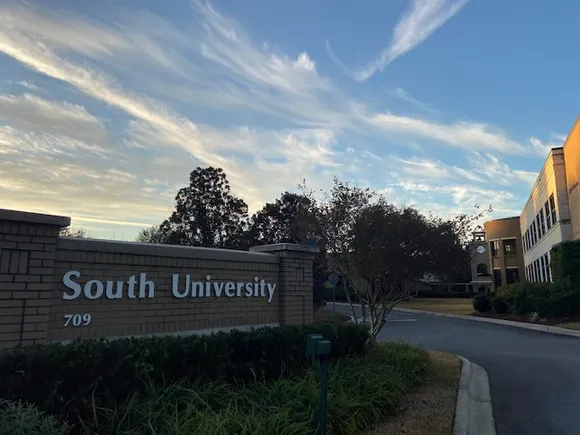
Second, the for-profit education sector is poised for further consolidation. Perdoceo Education Corporation, a prominent operator of post-secondary institutions, has announced a definitive agreement to acquire South University for a staggering $140 million. This transaction highlights the ongoing capital mobility and merger-and-acquisition (M&A) activity within the proprietary higher education market, even as federal regulators cast a wary eye on the quality and financial health of such institutions.
Together, these stories encapsulate the divergent paths available to modern institutions: mission-driven stabilization centered on holistic student support, and market-driven expansion rooted in corporate acquisition and scale.
Chronology of Events
To fully understand how these developments unfolded, it is necessary to trace the timeline of events leading up to this week’s headlines.
The La Salle University Turnaround Timeline
- 2018–2021: Like many mid-sized private, tuition-dependent institutions in the Northeast, La Salle University experienced severe enrollment declines. Compounded by demographic shifts—specifically the post-2008 drop in birth rates—and the disruptions of the COVID-19 pandemic, the university faced mounting structural deficits.
- Late 2021 to 2022: Leadership changes introduced a fresh strategic vision. Rather than doubling down on expensive, capital-intensive research infrastructure to chase Carnegie Classification upgrades (such as R1 or R2 status), administration opted for a complete operational reset.
- 2023–2024: La Salle began reaping the benefits of restructured academic portfolios, enhanced student support services, and targeted recruitment strategies. The university successfully balanced its budget and stabilized its incoming class sizes.
- Recent Weeks: La Salle University President Daniel Allen sat down with Higher Ed Dive to detail these turnaround efforts, offering a blueprint for other regional universities facing similar existential threats.
The Perdoceo-South University Acquisition Timeline
- Mid-2010s to 2020s: South University, operating primarily as a career-oriented private institution, navigated various ownership transitions and financial restructurings, operating under strict regulatory oversight.
- Early 2025: Negotiations between Perdoceo Education Corporation and South University’s leadership advanced behind closed doors, culminating in a definitive agreement.
- This Week: Perdoceo officially announced the $140 million acquisition deal, signaling its intent to absorb South University into its existing portfolio of career-focused higher education institutions.
- April 2025 (Projected): The transaction is slated to finalize, pending standard closing conditions, including approvals from relevant state regulatory bodies, the U.S. Department of Education, and institutional accrediting agencies.
Supporting Data and Financial Metrics
Data remains the ultimate litmus test for the health of any higher education institution. The financial realities underpinning both La Salle University and Perdoceo Education’s latest acquisition offer a window into the broader economic health of the industry.
La Salle’s Pivot from Research Prestige
While many universities bankrupt themselves attempting to climb research rankings—investing tens of millions of dollars into lab spaces, post-doctoral fellowships, and grant-writing infrastructure aimed at securing R1 (Very High Research Activity) or R2 (High Research Activity) status—La Salle chose a different path.
Data indicates that the cost of pursuing R1/R2 status can easily outpace the return on investment for tuition-dependent comprehensive universities. By eschewing this expensive race, La Salle reallocated funds directly into:
- Comprehensive Student Support: Expanding tutoring networks, mental health counseling, and career-readiness programming.
- Faculty-Led Classrooms: Ensuring low student-to-faculty ratios and prioritizing teaching excellence over publication metrics.
- Operational Efficiency: Streamlining administrative bloat to ensure tuition dollars directly impact the student experience.
The $140M Perdoceo Deal
The headline figure of the week is $140 million—the cash valuation Perdoceo Education has agreed to pay for South University.
To contextualize this figure within the for-profit education sector:
- Market Valuation: For-profit operators have increasingly relied on mergers and acquisitions to capture economies of scale, particularly as organic enrollment growth slows across the board.
- Regulatory Reserves: A transaction of this magnitude requires robust financial backing, as the Department of Education frequently scrutinizes the financial responsibility scores of for-profit buyers taking over troubled or transitioning institutions.
- Enrollment Reach: South University brings thousands of active students—spanning both physical campuses and robust online programs—immediately into Perdoceo’s operational fold, instantly expanding their footprint in healthcare, business, and nursing education.
Official Responses and Stakeholder Perspectives
Leadership voices from both institutions have provided critical context regarding their respective strategic maneuvers.
President Daniel Allen on La Salle’s Student-First Philosophy
In his interview with Higher Ed Dive, La Salle University President Daniel Allen articulated a refreshing, albeit pragmatic, philosophy of modern institutional management.
"We’re not trying to chase R1 or R2 status," Allen stated firmly. "We’re really focused on students, student success, and what happens in the classroom."
Allen emphasized that institutional identity must align with market reality. For La Salle, which has historically prided itself on its Lasallian heritage of accessible, high-quality education rooted in the liberal arts and professional preparation, pretending to be a major research powerhouse was a strategic error. By realigning the university’s mission around student outcomes, retention, and localized career placement, Allen and his administrative team have managed to restore confidence among alumni, faculty, and prospective students alike.
Corporate and Regulatory Perspectives on the South University Acquisition
Perdoceo Education’s executive leadership has defended the acquisition as a synergistic move designed to enhance educational offerings for working adults and career-focused learners. Company representatives noted that South University’s programmatic mix—particularly in nursing and allied health fields—complements Perdoceo’s existing portfolio.
However, the acquisition has also drawn the attention of higher education advocacy groups and regulatory watchdogs. Because South University has navigated complex ownership shifts in the past, consumer protection advocates have stressed the need for strict oversight by the U.S. Department of Education and regional accreditors. The primary concern among regulators remains student protection: ensuring that enrolled students experience zero disruption in their academic progress, financial aid disbursements, or credit transfers during the corporate transition.
Implications for the Future of Higher Education
The juxtaposition of La Salle University’s organic, mission-driven stabilization and Perdoceo Education’s corporate acquisition of South University highlights several profound implications for the broader higher education ecosystem.
1. The Death of the "R1 Obsession" for Regional Universities
For decades, regional comprehensive universities suffered from "physics envy," attempting to mimic elite flagships and private research universities by funneling scarce resources into doctoral programs and research facilities they could ill afford. La Salle’s successful turnaround serves as a compelling proof-of-concept that institutions can thrive by leaning into their core competencies. By prioritizing teaching, localized career outcomes, and student well-being, regional institutions can carve out a sustainable niche in an increasingly competitive market.
2. Continued Consolidation in the For-Profit and Private Sectors
The $140 million price tag attached to South University demonstrates that capital remains available for strategic consolidation. As smaller, under-resourced colleges face insurmountable financial headwinds, mergers, acquisitions, and absorptions by larger educational operators will likely accelerate. While this consolidation can inject much-needed capital into struggling schools and prevent abrupt campus closures, it also raises ongoing questions about corporate influence in education, academic freedom, and institutional autonomy.
3. Heightened Regulatory Scrutiny
As private equity and publicly traded corporations continue to invest in post-secondary education, federal agencies—including the Department of Education and the Consumer Financial Protection Bureau—are maintaining a vigilant posture. Future regulatory updates regarding "change of ownership" applications, gainful employment rules, and student loan discharge protections will play a definitive role in shaping how easily for-profit operators can acquire traditional or alternative institutions.
4. The Student as the Ultimate Beneficiary—or Casualty
Ultimately, every strategic maneuver in higher education must be measured by its impact on the student. Whether an institution chooses the path of holistic, community-centric retention (like La Salle) or corporate scale and operational efficiency (like the Perdoceo-South University merger), the benchmark of success remains graduation rates, job placement, manageable student debt loads, and long-term economic mobility.
As the spring term progresses, higher education administrators across the country will undoubtedly look to these developments as bellwethers for their own strategic planning. In an environment where standing still is equivalent to moving backward, adaptability, financial prudence, and an unwavering commitment to student success will remain the ultimate arbiters of institutional survival.